Li Chushan often says he "plays with electricity" for a living, converting raw, unruly energy into the refined power that drives high-speed trains, EVs, and smartphone chargers. From his days as a PhD student on ZJU's Yuquan campus to his current role as a tenured associate professor at the International Campus, his titles have shifted, but one core conviction remains: "Sit on the cold bench for a decade, and write not a single empty word." This is the story of a scholar dedicated to deep, solitary research who now passes that same grit on to the next generation.
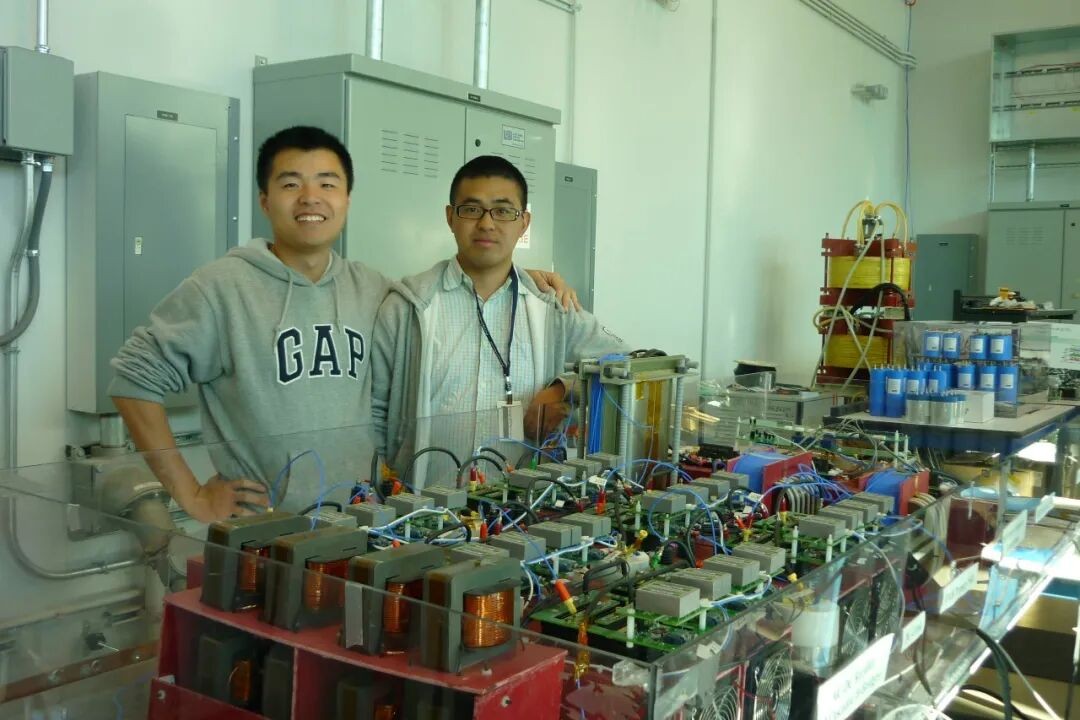
Li's academic compass has always centered on Zhejiang University, where he completed his BS, MS, and PhD. During his doctoral studies, he conducted research at North Carolina State University alongside IEEE Fellow Professor Alex Q. Huang, followed by postdoctoral fellowships at the Hong Kong Polytechnic University and Ryerson University in Canada. In 2017, he joined ZJU-UIUC Institute (ZJUI) at the fledgling International Campus. His first undertaking: introducing Digital Systems Laboratory (ECE385), a course that had deeply impressed him during a faculty exchange program at UIUC, and meticulously localizing it. Under his guidance, the course climbed step-by-step from a university-level initiative to a provincial honor, and finally to a national first-class undergraduate course by 2025. Meanwhile, he built ZJUI's Electrical Engineering framework piece by piece, bridging lectures, laboratories, and industrial practice. Years later, EE has grown into a thriving academic community.
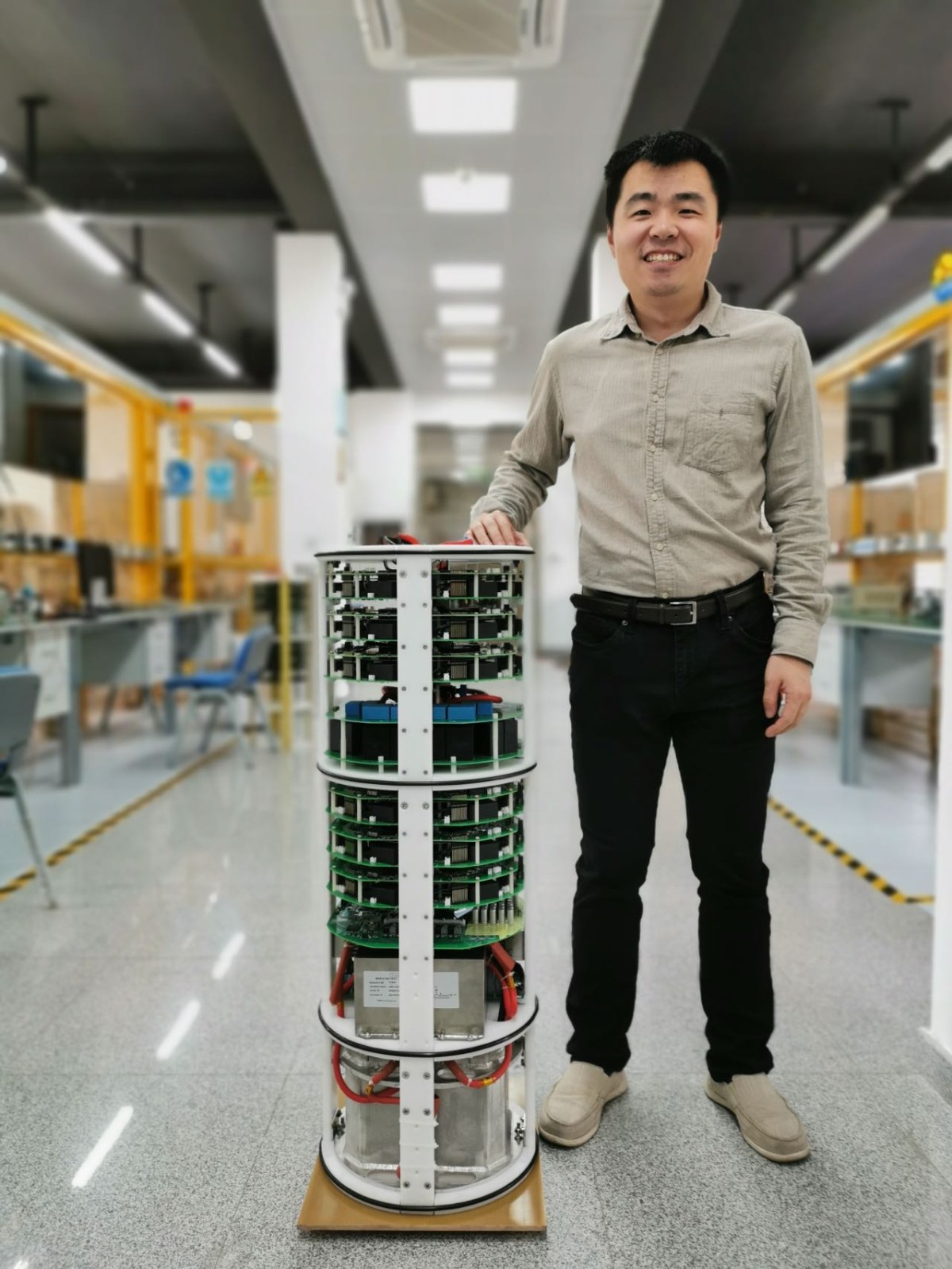
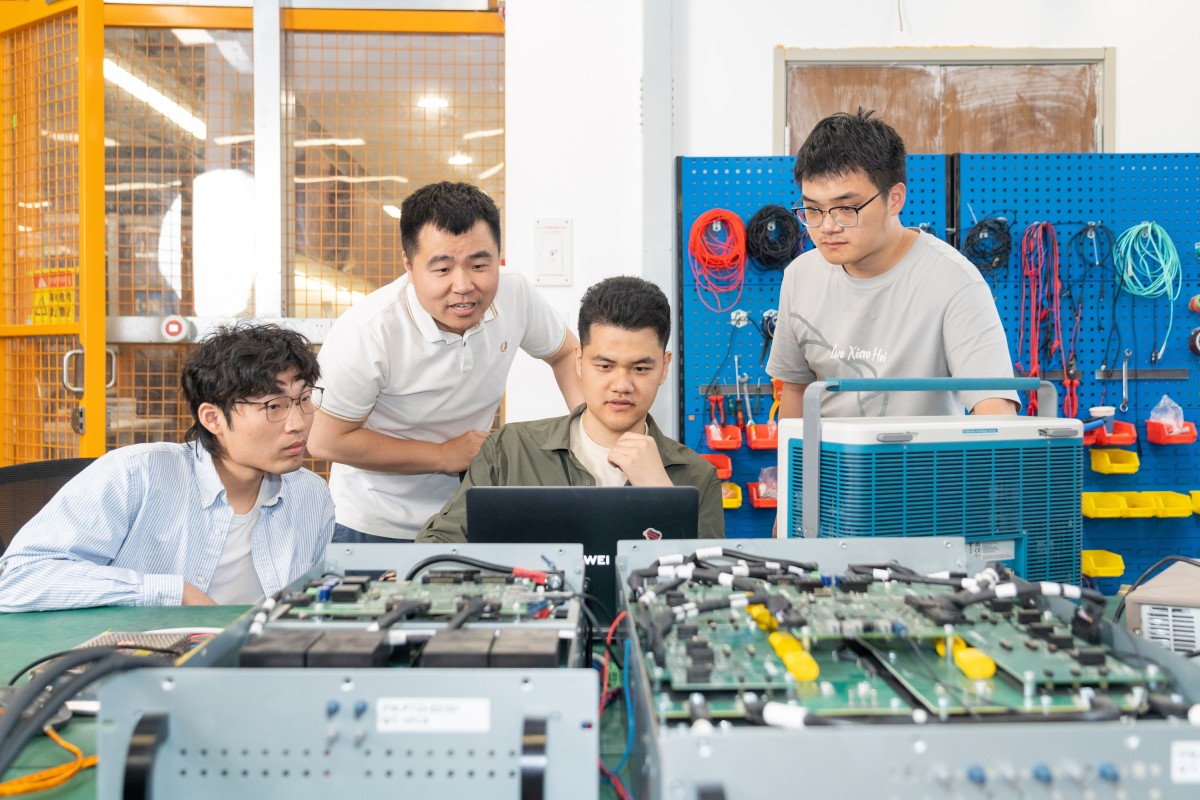
In research, rigor means embracing the "cold bench", the patience to pursue unsung fields. Li's research focus is Solid-State Transformers (SST). For four decades, this field saw minimal large-scale industrial application. However, Li saw further ahead: SST is a critical link in next-generation power systems and the ultimate energy source for the massive influx of future DC loads. Recognizing this "zero-to-one" breakthrough as a foundational priority aligned with national strategic needs, he dove in. Partnering with multinational corporations, he built two SST demonstration units at the International Campus and successfully deployed them in a data center, leading the formulation of the industry's first SST standard for data centers. The campus's interdisciplinary resources and agile industry-academia cooperation accelerated the leap from paper to practice.
A major turning point came in 2025, when NVIDIA designated SST as the ultimate power solution for next-generation AI data centers at the OCP Global Summit. Overnight, the entire industry took notice. "Six years of obscurity, followed by a sudden rise to fame," Li sums up with characteristic understatement. His core principle remains unchanged: ground research in reality and make technology truly useful. That same tenacity now drives his National Key R&D Program for International Cooperation, under which he jointly tackles challenges with Central South University and the University of Pretoria. His scope has expanded from underwater high-voltage DC power supplies to SSTs and AI data center power systems; his horizons keep broadening, but his forward-leaning posture never shifts.
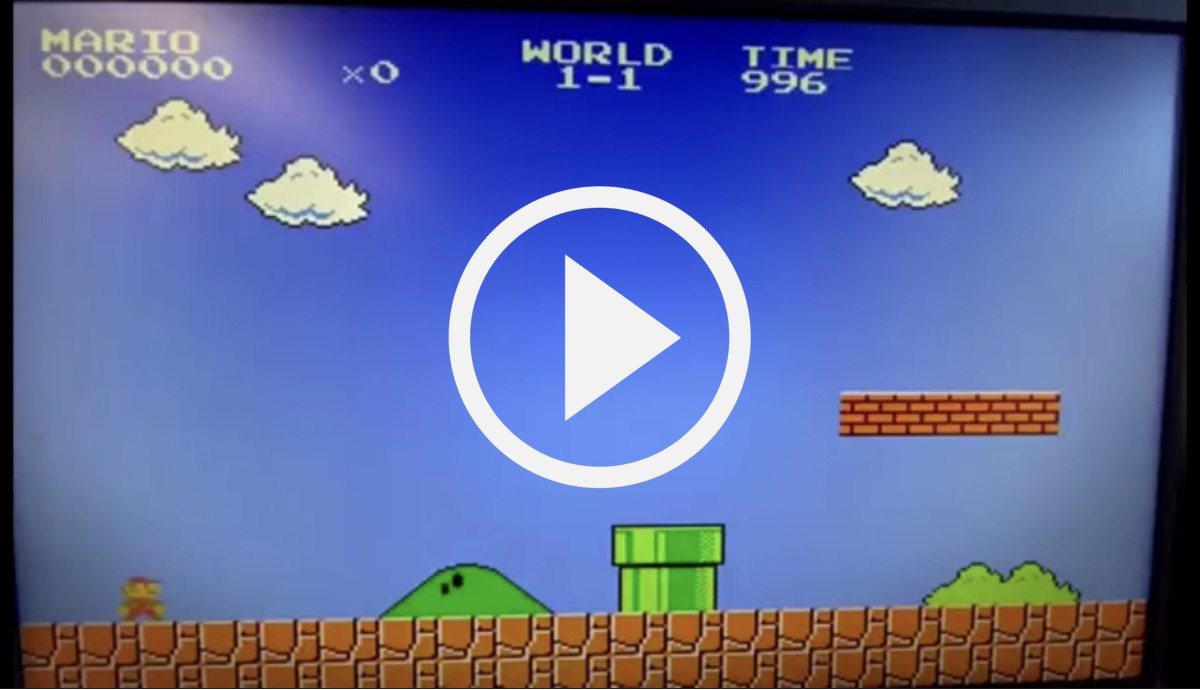
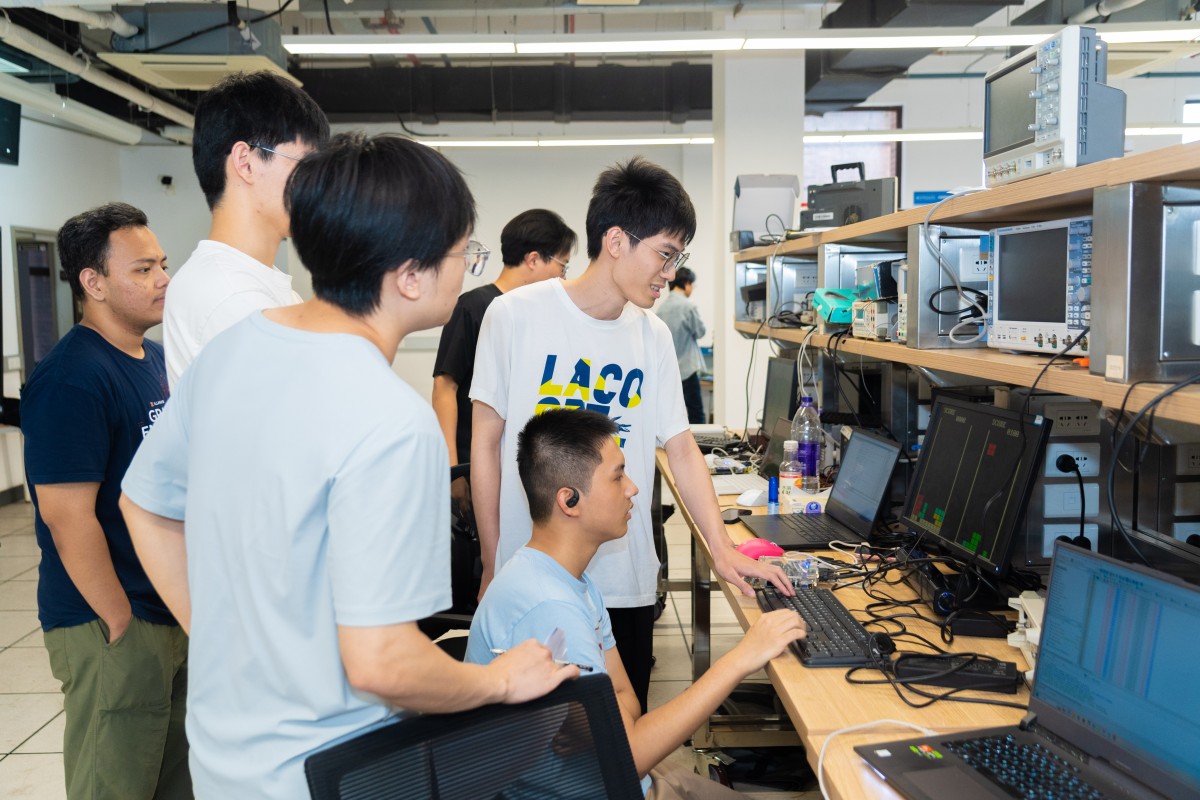
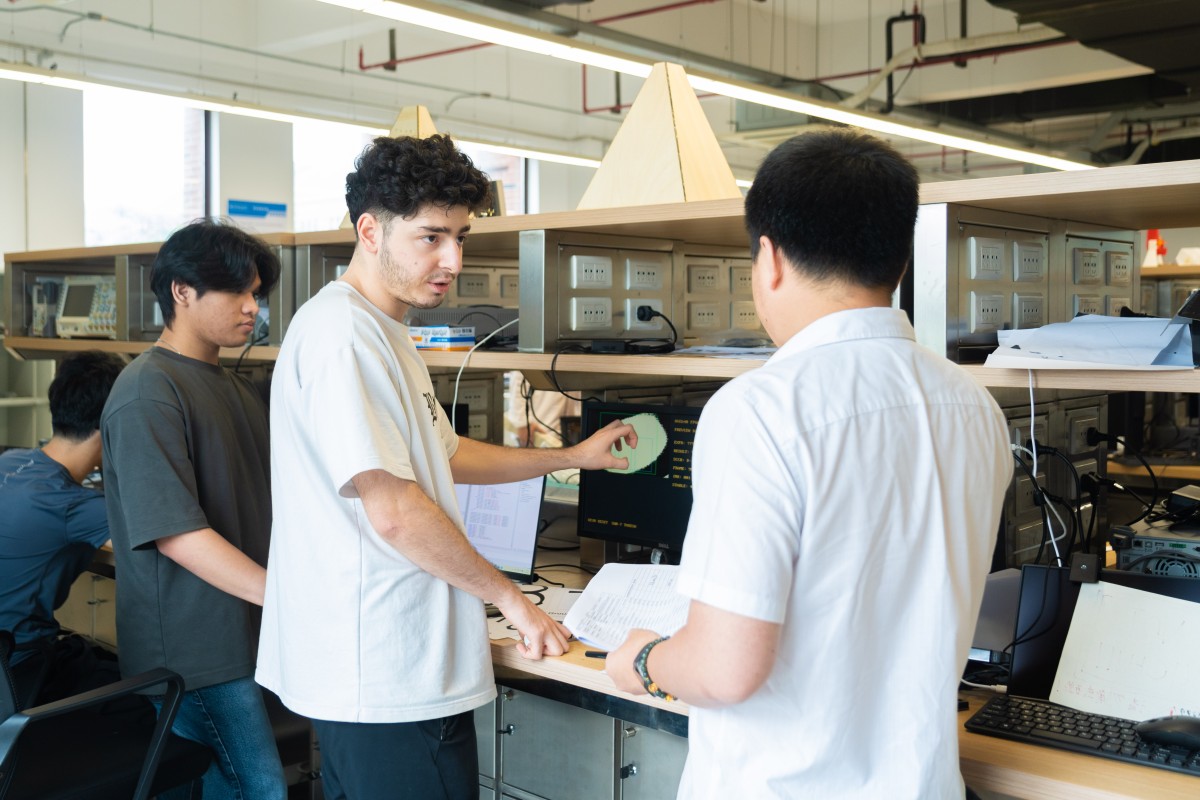
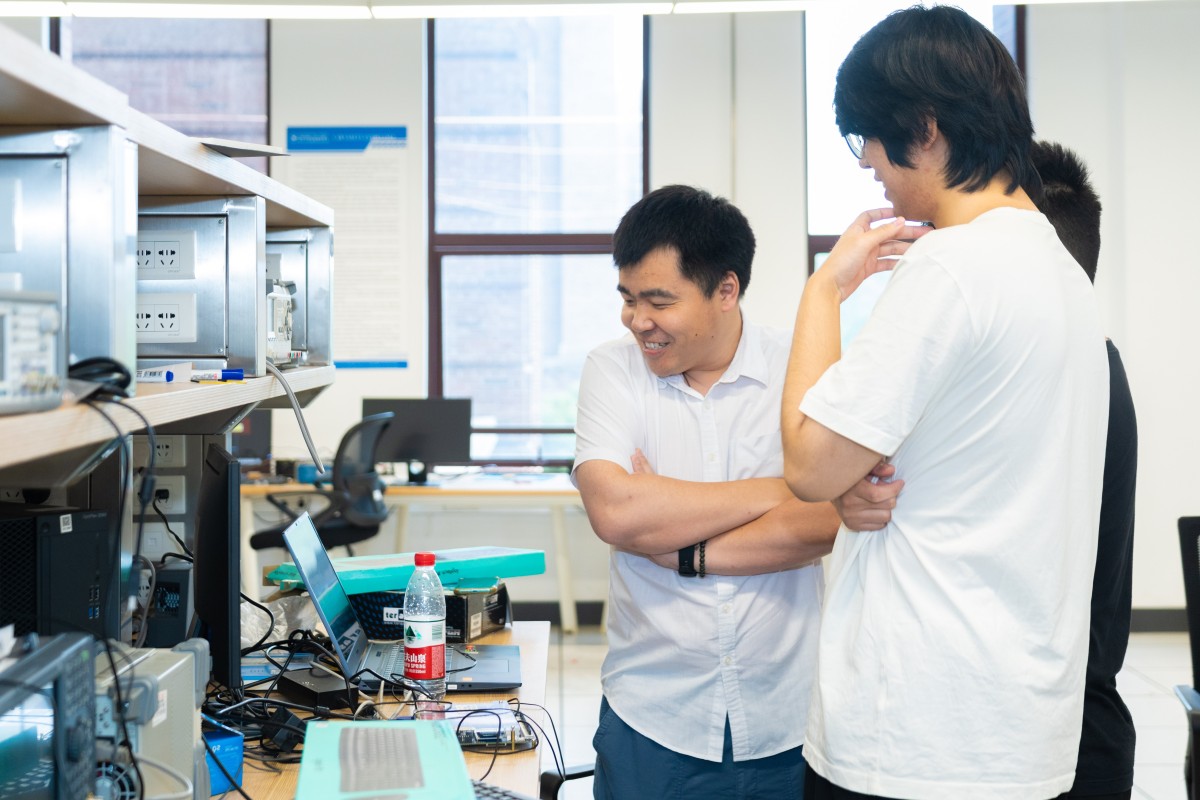
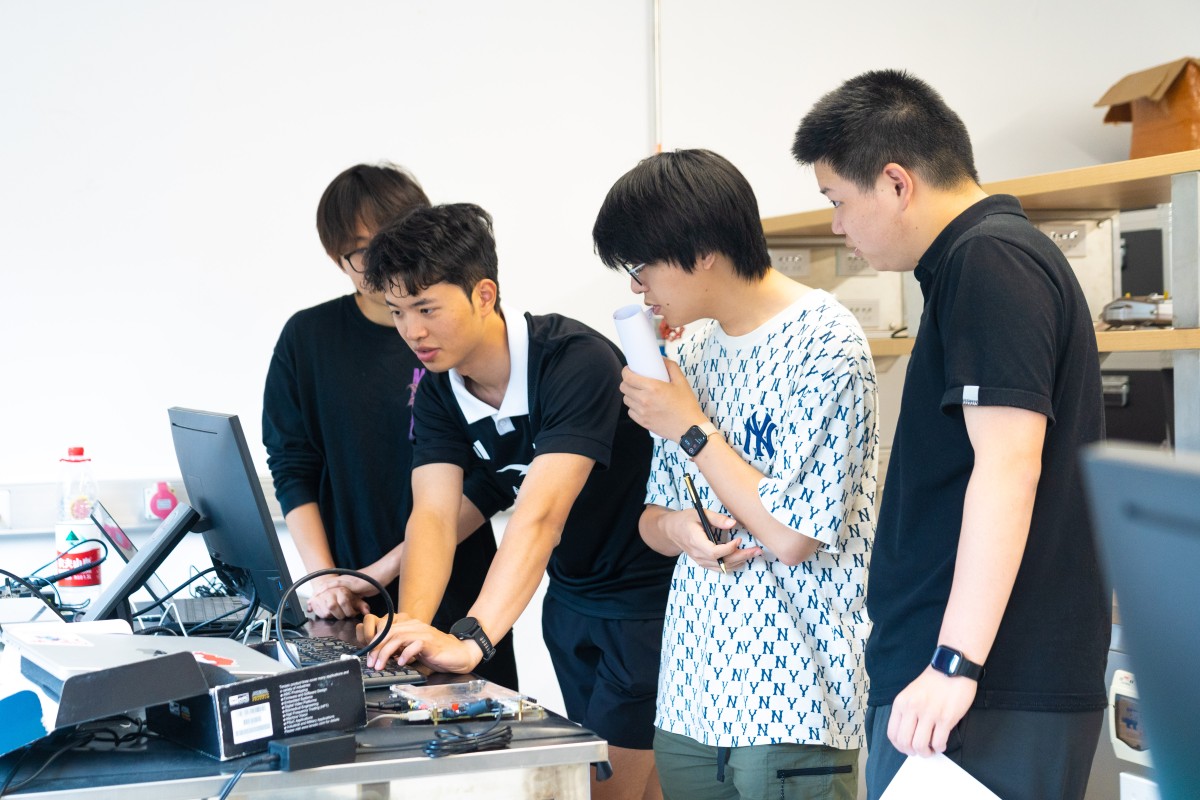
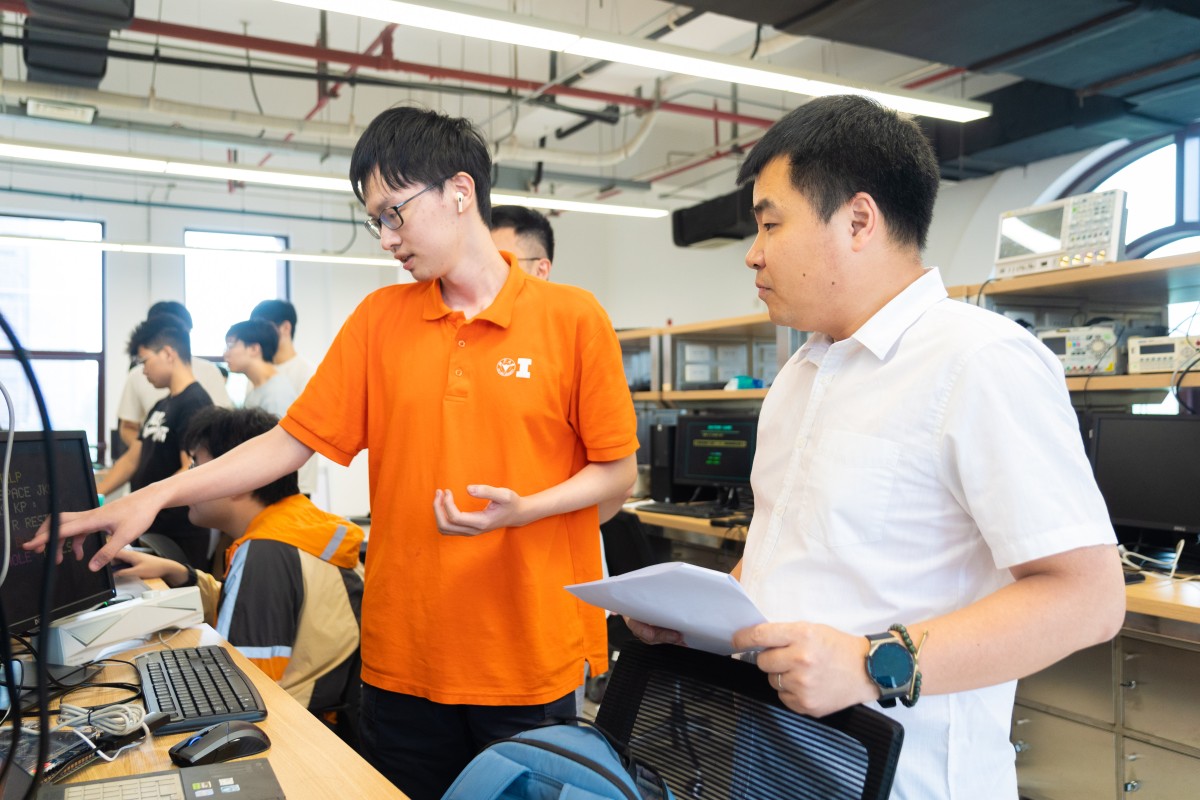
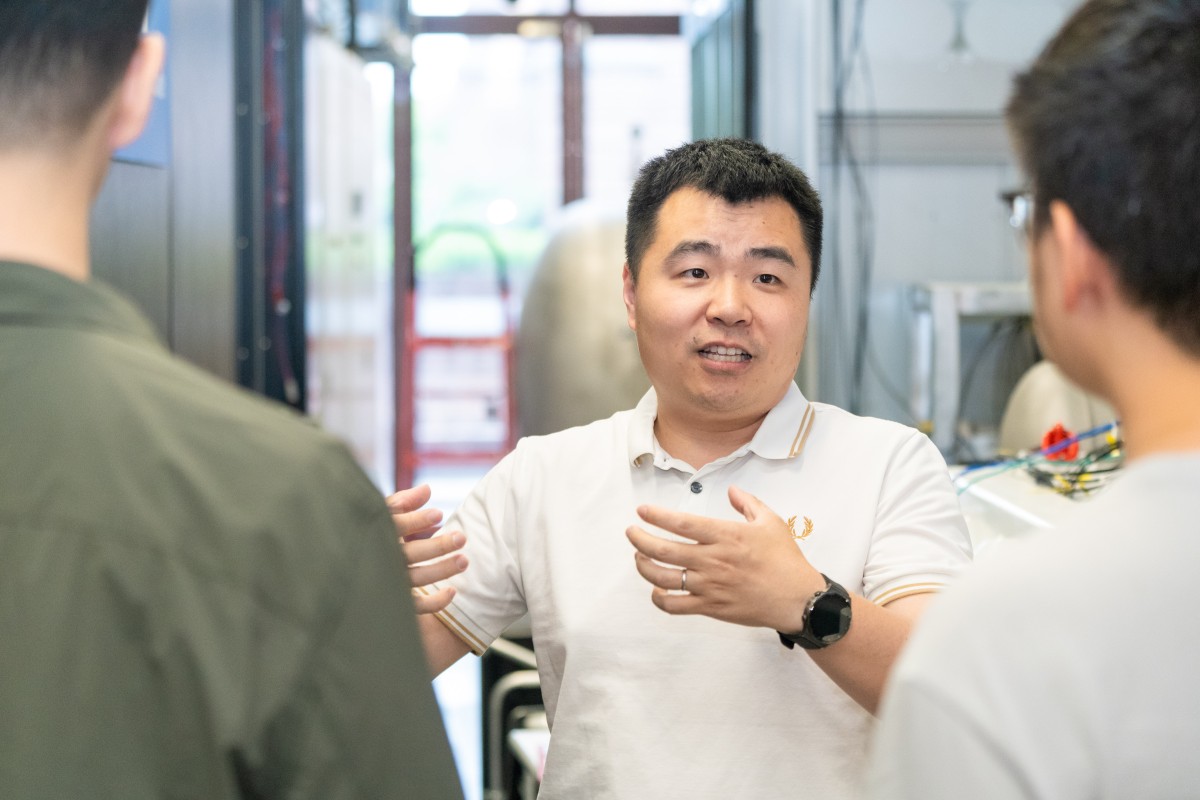
Step into ECE385, and you will immediately sense a spirit of playfulness rather than rigid solemnity. Students are challenged to design and build a complete digital system from scratch. Past final projects include 3D graphics accelerators, handheld game replicas, and rhythm games. Undergraduate student Xu Jie describes it as "knowledge coming to life": "It's like assembling precision building blocks from a blueprint into a physical object. You genuinely experience the fulfillment of seeing theoretical knowledge land in the real world." International student Hayk Soghomonyan praises Li's ability to make difficult ideas accessible: "He broke down complex FPGA concepts into simple steps. Whenever we had questions, he gave us helpful advice without taking away the challenge." Behind this is Li’s deliberate hands-off philosophy: "I'd rather let them try, make mistakes, and learn. I'm just there to lend a hand when they mess up and to cheer when they get it right."

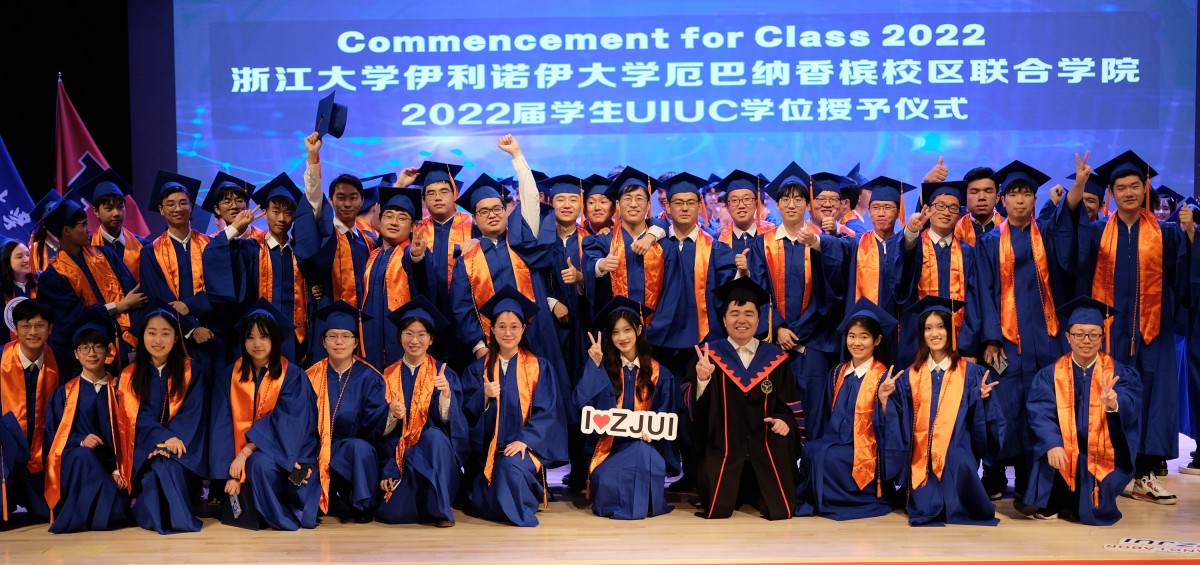
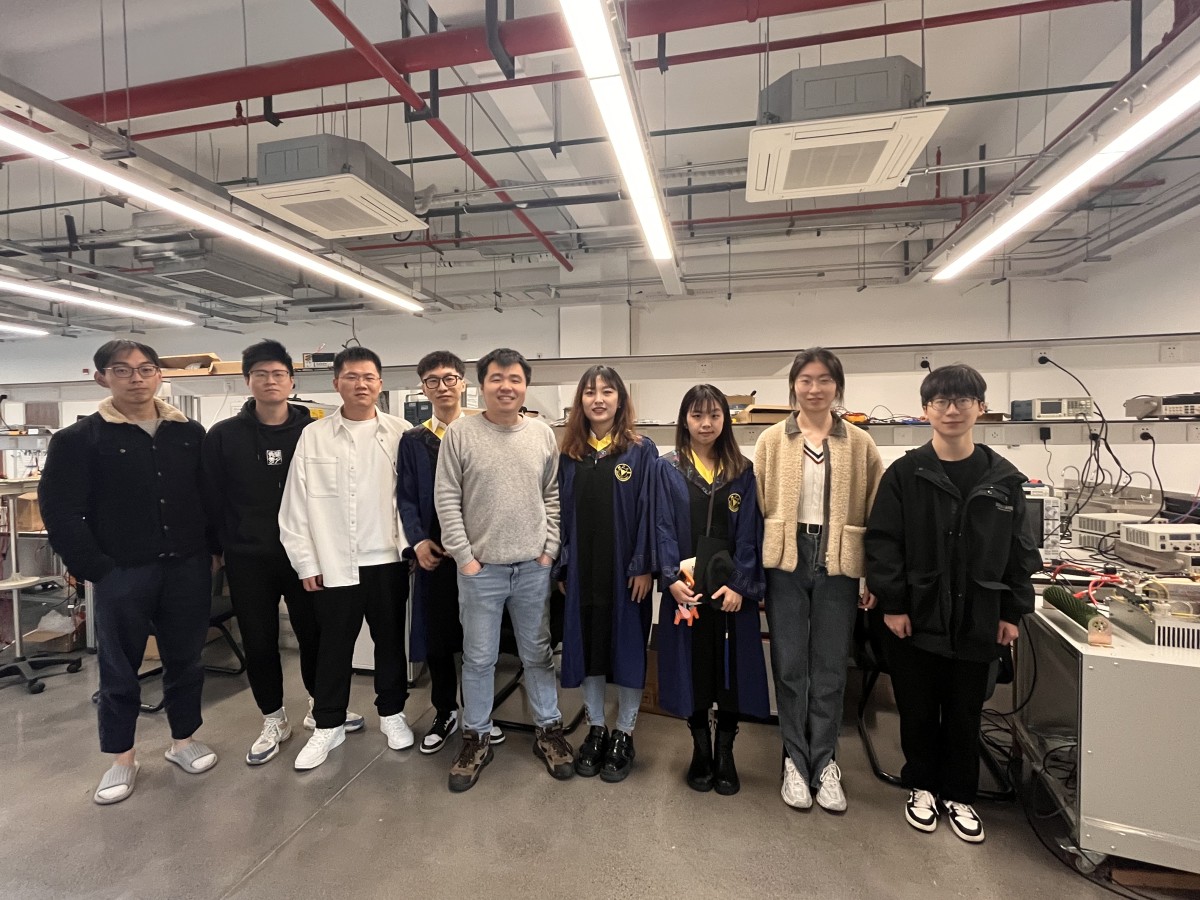
In 2022, the first graduating class under Li‘s guidance as a class advisor posted striking results: a 100% further education placement rate for all 28 students. Every student qualified for domestic postgraduate exemption was admitted to top-tier Chinese institutions, while near 90% of those pursuing degrees abroad were admitted to world-class programs, including Carnegie Mellon University and Yale University.
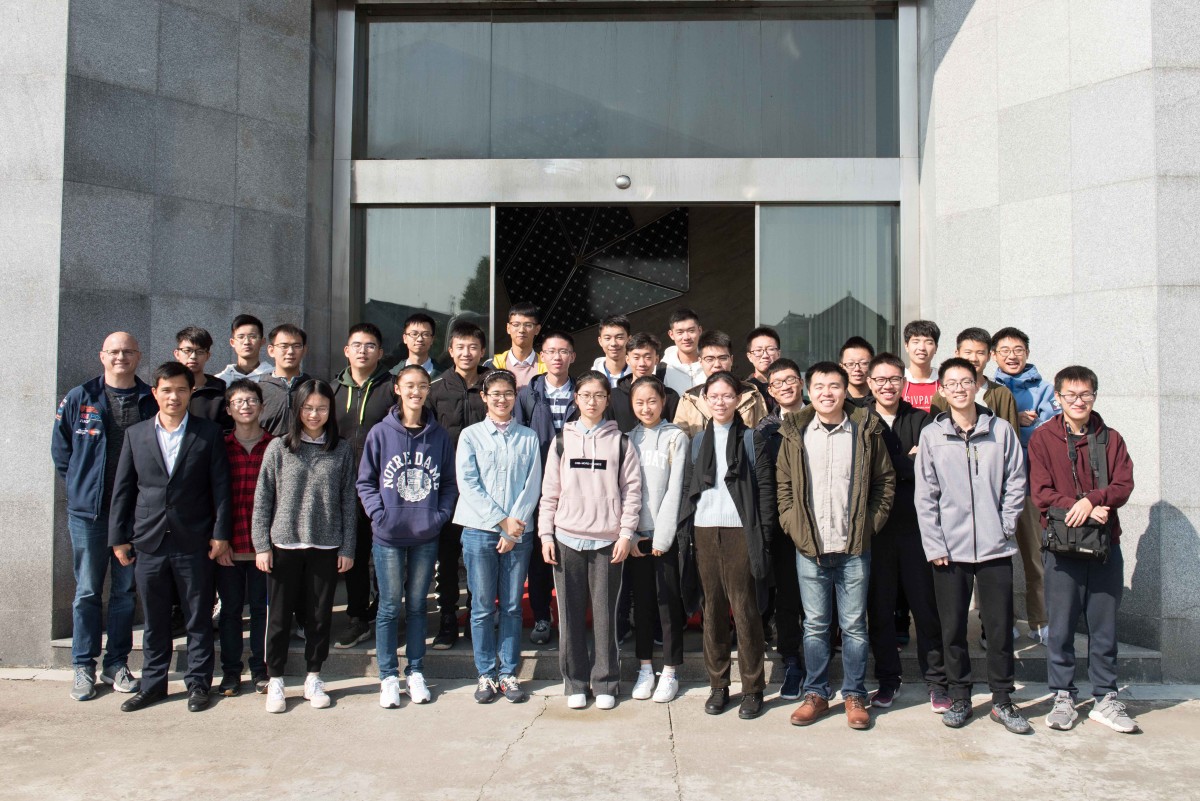
But numbers are just the final metric; what truly matters is his commitment to their growth. In their freshman year, he organized corporate visits to expose them to real engineering environments, establishing joint practice bases with enterprises. By their sophomore year, he acted as a strategist, helping them map out specialization tracks. "I don't choose for them, but I help them see their options clearly." By their junior and senior years, he was writing customized recommendation letters and tailoring individual paths. Student Liu Zhuping calls him a beacon: "When the future seemed foggy, he cleared the haze and lit the road ahead." Li's response remains characteristically humble: "I was just trying to help them soar." For his dedication, he was honored with Zhejiang University's Outstanding Class Advisor award and named a ZJU Advanced Worker.
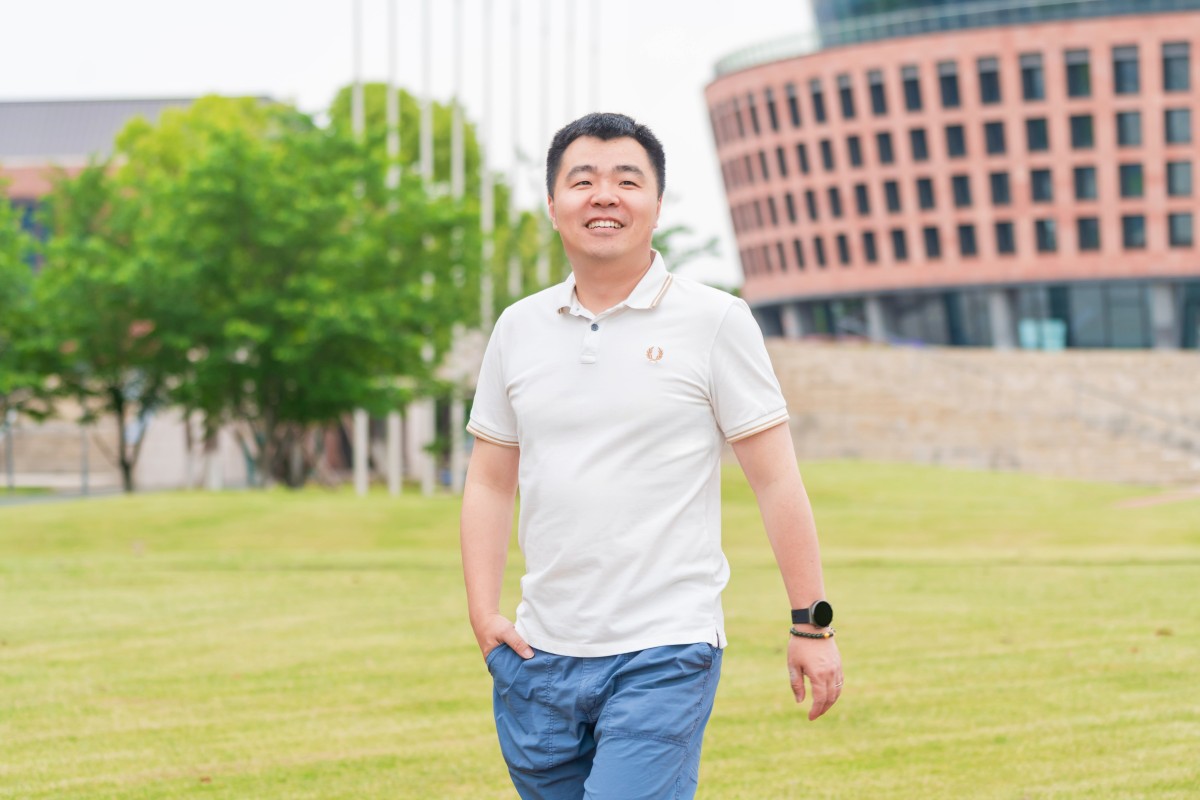
Twenty years ago, Li Chushan sat in a Yuquan classroom as a young student inspired by the university's "Qiu Shi" (Seeking Truth) ethos. Today, he stands at the podium in Haining, quietly passing that torch to the next generation. "Young faculty need passion-driven persistence to find their rhythm and value in teaching, research, and service, step by step," Li reflects. "Chu Kochen lived this spirit his entire life. Passing it on is an inescapable duty for me." It is a story of quiet continuity.
(Photography: LI Chushan; Article: CHEN Nuo, portions of this content are drawn from public lectures by Professor Li Chushan and posts on ZJUI Wechat Public Account; Proofreading: Emilia Junye Wang Jara; Editing: CHEN Nuo; Editing in Charge: LI Yinan; Reviewer: YANG Yi; Final Review: QU Haidong)